
Fewer than 100 trees: 3 days · 100 or more: 5 days
GINKGO GENETIC TESTING
Ginkgo sex identification by genetic testing
From pre-planting checks to street-tree management,
identify ginkgo sex through genetic analysis.
Real-time polymerase chain reaction (PCR) analyzes sex-associated genetic differences in ginkgo trees that are difficult to distinguish by appearance.
Inquiries: GENonLAB · Technical material: Neuclacid Inc.
Analysis of sex-associated genetic differences
Collect 2–3 per tree
Turnaround times follow the supplied leaflet. The final schedule is confirmed after reviewing sample condition, quantity and your requested timing.
01 / GENETIC IDENTIFICATION
When appearance is not enough, examine genetic differences.
This test amplifies and analyzes genetic differences associated with ginkgo sex in real time. Discuss the number of trees and sample preparation for your planting or management needs.
Before landscaping or planting
Use sex identification to inform planting arrangements and management plans.
Street-tree management
Identify the sex of managed ginkgo trees to support planning for fruit-related maintenance.
Nursery production and supply
Match sample identifiers to test results for individual-tree records.
02 / SAMPLE GUIDE
Prepare your samples for a smooth submission.
When leaves are present
2–3 ginkgo leaves
Collect leaves from each growing ginkgo tree separately.
Spring or winter, when leaves are absent
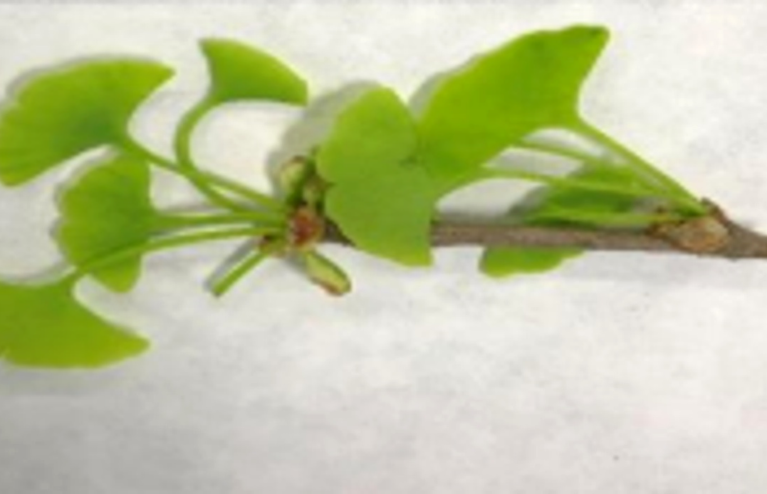
2–3 twigs with leaf buds
Prepare twigs with leaf buds. If you are unsure what to collect, send a photograph with your inquiry first.
Check before packing
- Seal samples in a zipper bag or similar packaging without surface water.
- Rotten or moldy samples cannot be analyzed.
- Pack each tree’s samples separately and label them with a unique identifier.
- Confirm sample type, quantity and the receiving address with GENonLAB before shipping.
03 / TESTING PROCESS
From inquiry to results
- 01
Inquiry
Share your purpose, number of trees and requested schedule.
- 02
Sample preparation
Collect, package and label each tree’s samples.
- 03
Sample receipt
Sample condition and submission details are checked.
- 04
PCR analysis
Sex-associated genetic differences are analyzed.
- 05
Results
The sex identification result is provided.
FAQ
Questions before submission
How long does testing take?
The leaflet lists 3 days for fewer than 100 trees and 5 days for 100 or more. Before shipping, tell us the number of trees and requested result date so we can confirm intake conditions and the final schedule.
Can I submit samples when there are no leaves?
In spring or winter, when leaves are absent, prepare 2–3 twigs with leaf buds. If you are unsure about the buds or collection site, contact us before collecting.
How do I submit samples from multiple trees?
Package samples separately for each tree and label them with identifiers. Share the total number of trees and sample type so we can discuss submission and scheduling.
How do I check pricing and the report format?
A quotation is provided for your quantity and submission requirements. Tell us before submission if you need specific report details or intend to use it for a particular purpose.
Can I ship samples immediately?
Contact GENonLAB first to confirm preparation, acceptance and the shipping address. If samples are wet, rotten or moldy, ask us before shipping.
RESOURCE
Ginkgo testing leaflet
Review the test principle, sample types and process on one page.
Original Neuclacid material · v1.1 · 1-page PDF · Korean
The original contains the material provider’s contact details. For inquiries and quotations through GENonLAB, use the contact details below.
CONTACT GENonLAB
Tell us how many trees and when you need results.
Send your organization, number of trees, sample type and requested result date. We will guide you through preparation and quotation.
Please confirm the receiving address before shipping samples.
ginfo@genonlab.com02-858-7905Compose a testing inquiry
This opens your email application. If it does not open, email the address above directly.